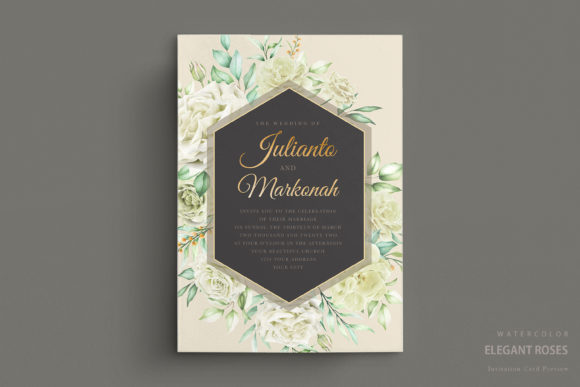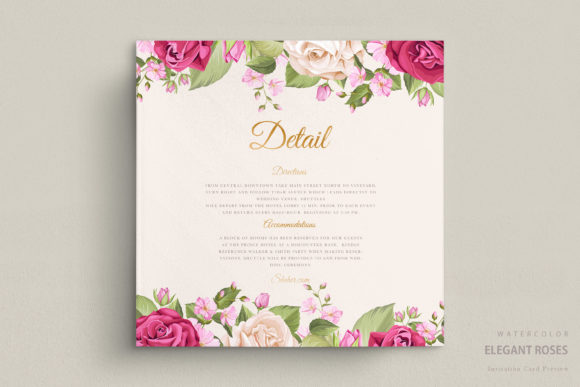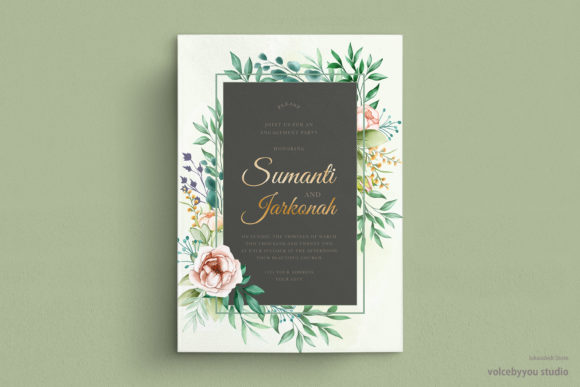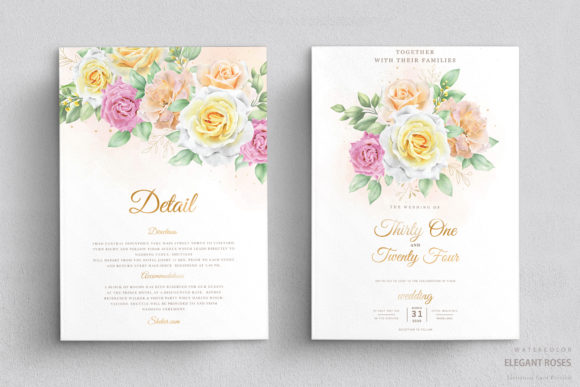
Cherry Blossom Watercolor Wedding Card Design
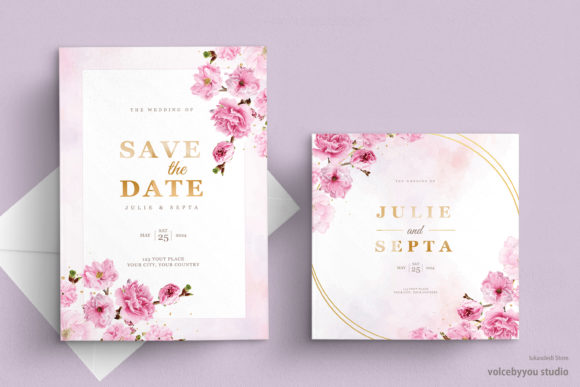
In the evolving landscape of visual communication, a Cherry Blossom Watercolor Wedding Card stands out as a perfect example of how organic textures and delicate typography can elevate a brand identity. For designers seeking to infuse projects with emotion and elegance, this asset offers more than just an invitation; it provides a versatile foundation for creating memorable visual experiences.
The fusion of soft watercolor aesthetics with precise vector formatting allows creative professionals to bridge the gap between traditional artistry and modern digital workflows. Whether you are crafting a wedding suite or developing a seasonal marketing campaign, the ability to manipulate these elements ensures that your final output remains crisp, scalable, and professionally polished.
The Power of Visual Storytelling in Graphic Design
Effective design is not merely about arranging elements on a page; it is about guiding the viewer's eye and evoking a specific feeling. The Cherry Blossom Watercolor Wedding Card leverages the natural flow of watercolor blooms to create a sense of movement and warmth. This approach aligns perfectly with current trends in editorial design and social media graphics, where authenticity and hand-crafted details are highly valued.
When integrating such assets into a broader brand system, consistency is key. The soft pink and white hues often associated with cherry blossoms can be easily adapted to fit various color palettes, ensuring they complement existing logos or packaging designs without clashing. By maintaining a cohesive visual language, designers can strengthen brand recognition across all touchpoints, from digital marketing materials to physical invitations.
Typography and Composition
A critical component of this design is the thoughtful selection of typefaces. The inclusion of Libre Baskerville offers a classic, serif structure that grounds the composition with readability and sophistication. Paired with Great Vibes, a flowing script font, the layout achieves a balanced hierarchy that directs attention naturally. This combination demonstrates how mixing serif and script fonts can enhance user engagement while maintaining a professional presentation.
For those working on UI design or web design projects, understanding visual hierarchy is essential. The spacing and alignment within the card template serve as a blueprint for organizing content effectively. By studying these arrangements, creators can apply similar principles to ensure their own layouts are intuitive and aesthetically pleasing.
Practical Applications Across Creative Industries
While designed specifically for weddings, the versatility of this asset extends far beyond event planning. Designers can repurpose the core elements for a wide array of creative projects, maximizing the value of their digital resources.
- Branding and Logo Design: Use the floral motifs as subtle background elements for business cards or letterheads to add a personal touch to corporate identities.
- Social Media Graphics: Adapt the composition for Instagram posts or Pinterest pins, utilizing the high-resolution JPG files for immediate deployment in digital marketing campaigns.
- Packaging Design: Incorporate the watercolor texture into product labels or gift tags, enhancing the unboxing experience with a premium feel.
- Editorial Layouts: Apply the aesthetic to magazine spreads or blog headers, providing a fresh and artistic break from standard geometric designs.
- Presentation Decks: Transform slide backgrounds to match a romantic or spring-themed narrative, ensuring consistency throughout a pitch or proposal.
Technical Advantages for Designers
One of the most significant benefits of using this specific resource is its editable nature. Delivered in Adobe Illustrator formats (.AI and .EPS), the file grants full control over vector paths, colors, and text layers. This flexibility allows designers to scale the image to any dimension without losing quality, a crucial factor for print design where sharpness is non-negotiable.
The availability of multiple sizes, including 5×7 inch and 5×5 inch options with bleed areas, streamlines the production process. Designers can quickly generate variations for different paper stocks or framing requirements, reducing turnaround time and ensuring compatibility with various printing services. Furthermore, the inclusion of JPG files facilitates quick previews and easy sharing during the client approval phase.
Optimizing Your Design Workflow
To get the most out of this asset, consider how it fits into your existing design workflow. Start by evaluating the color palette against your project goals. If the original tones do not align with a specific brand identity, the vector format allows for seamless recoloring to match corporate guidelines or seasonal themes.
Additionally, pay attention to the negative space surrounding the floral elements. This breathing room is vital for adding custom text or call-to-action buttons, particularly when adapting the design for mobile screens or digital advertisements. By respecting the original composition while making necessary adjustments, you maintain the integrity of the artwork while meeting functional requirements.
In conclusion, the Cherry Blossom Watercolor Wedding Card serves as a testament to the enduring appeal of combining traditional art techniques with modern digital tools. It reminds us that thoughtful design choices—whether in typography, color, or composition—can significantly improve both the aesthetics and communication impact of any project. By leveraging high-quality creative assets like this, designers can deliver work that resonates deeply with audiences and elevates the overall standard of visual excellence.