Mono Letter 'Z Graffiti Stencil Letter: A Comprehensive Evaluation
In the realm of digital design and street art, finding a font that captures the authentic essence of urban culture while remaining versatile for various applications can be challenging. The Mono Letter 'Z Graffiti Stencil Letter has emerged as a specific resource designed to bridge this gap. This asset is not merely a standard typeface but a stylized representation of the letter Z, crafted with the distinct characteristics of graffiti stencil art. For professionals and hobbyists alike, understanding the specific capabilities and limitations of this design element is crucial before integrating it into a project.
This evaluation explores what the Mono Letter 'Z Graffiti Stencil Letter offers, who benefits most from its use, and how it fits into broader design workflows. By analyzing its technical specifications and aesthetic qualities, readers can determine if this specific tool aligns with their creative objectives.
Understanding the Asset
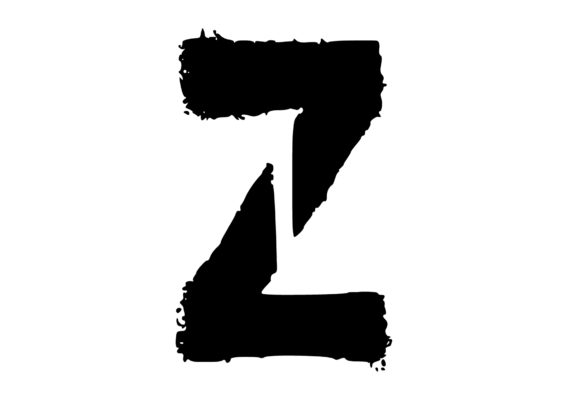
The Mono Letter 'Z Graffiti Stencil Letter is a digital graphic file representing a single character: the capital letter Z. Unlike traditional alphabets that provide a full set of characters, this asset focuses on a monogram style, delivering a high-impact visual of one letter. The design mimics the look of spray-painted stencils used in street art, characterized by rough edges, sharp angles, and a rugged texture that suggests movement and rebellion.
The primary appeal lies in its ability to reproduce the "rough, street style" associated with urban environments without requiring physical spray cans or stencils. It allows designers to apply an authentic graffiti aesthetic digitally, which can then be transferred to physical media or displayed on screens. The inclusion of multiple file formats ensures compatibility across different software ecosystems, making it accessible for both print and web projects.
Target Audience and Use Cases
While the product description mentions suitability for all graffiti lovers, the practical application extends to several professional and creative sectors. The following groups often find the most value in this specific asset:
- Graphic Designers: Professionals creating posters, album covers, or branding materials that require an edgy, non-traditional look often utilize such assets to add visual interest without compromising layout integrity.
- Crafters and Makers: Individuals using vinyl cutters or screen printing equipment benefit from the vector and raster files provided. These users can easily transfer the design onto t-shirts, mugs, stickers, and other merchandise.
- Digital Artists: Those working on concept art or digital illustrations may use the letter as a standalone element to convey a specific theme or setting related to urban life.
- Event Organizers: Promoters for concerts, festivals, or street art events often need quick, impactful graphics to advertise dates or locations.
Situations where this asset is a strong fit include projects requiring a focal point that screams "street culture." Because the design is isolated to a single letter, it works exceptionally well as a logo component, a large typographic element on a poster, or a decorative motif on apparel. It allows the user to stand out from the crowd by introducing a texture that flat, sans-serif fonts cannot replicate.
Technical Specifications and Workflow Integration
The utility of the Mono Letter 'Z Graffiti Stencil Letter depends heavily on the file formats provided. Understanding these specs helps users manage expectations regarding resolution and color management.
The package includes three distinct file types, each serving a specific purpose in the production pipeline:
- EPS (Encapsulated PostScript): This vector format is essential for scalability. Users can resize the letter to any dimension—from a small logo on a business card to a massive mural backdrop—without losing quality. This makes it ideal for commercial printing where precision is paramount.
- PNG (Portable Network Graphics): Provided at 3508x2480 pixels with a resolution of 300 DPI in RGB color mode, this high-resolution raster file is perfect for high-quality digital displays and print jobs that do not require vector editing. The transparency usually inherent in PNGs allows for easy layering over different backgrounds.
- JPG (Joint Photographic Experts Group): With dimensions of 1754x1240 pixels at 72 DPI in CMYK color mode, this file is optimized for standard web display and lower-resolution printing. While the lower resolution compared to the PNG version limits its use for large prints, the CMYK specification ensures color accuracy for offset printing processes.
For users familiar with design software, the availability of both RGB and CMYK versions addresses common workflow bottlenecks. However, it is important to note that the JPG version's lower pixel count may result in pixelation if scaled up significantly beyond its native size.
Balancing Benefits and Tradeoffs
Adopting the Mono Letter 'Z Graffiti Stencil Letter involves weighing its unique advantages against potential limitations. Recognizing these factors early prevents frustration during the design process.
The primary benefit is versatility. The combination of vector and high-resolution raster files means the asset can move seamlessly from a digital mockup to a physical print job. The "rough" aesthetic provides immediate context, saving time on manual texturing work. Furthermore, the stencil style is inherently legible, ensuring that even when stylized, the letter remains recognizable.
However, there are tradeoffs to consider. As a single-letter asset, it lacks the flexibility of a full font family. Users cannot type out sentences or paragraphs using this specific style; they must rely on graphic manipulation techniques or combine it with other typography. Additionally, the "graffiti" aesthetic is niche. If a brand requires a clean, corporate, or minimalist image, this heavy, textured letter will likely clash with the overall tone rather than enhance it.
Another consideration is the color mode conversion. While the files are provided in both RGB and CMYK, converting between them can sometimes alter the vibrancy of the colors. Users should verify the output on their specific printing devices to ensure the final product matches the digital preview.
Alternatives and Decision-Making Insights
Before committing to the Mono Letter 'Z Graffiti Stencil Letter, it is prudent to evaluate whether alternatives might better serve the project goals. If the design requirement involves spelling out full words in a similar style, purchasing a complete graffiti font family would be more efficient than manually replicating letters or searching for individual assets. Similarly, if the project demands a softer, more organic hand-drawn look rather than a rigid stencil effect, brush-style vector brushes might be a superior choice.
When deciding if this asset aligns with your needs, ask the following questions:
- Is the letter Z the sole focus? If you only need a single prominent Z, this asset is highly efficient.
- Do you need scalability? If the design must appear on both a mobile screen and a billboard, the EPS file is critical.
- Is the aesthetic appropriate? Ensure the rough, street style complements the rest of your design elements.
For those looking to create a cohesive series of designs, having access to the full alphabet in this same style would be beneficial. In such cases, seeking a complete mono-stencil font pack might offer better long-term value than acquiring individual letters separately.
Conclusion
The Mono Letter 'Z Graffiti Stencil Letter serves a specific and valuable niche in the design toolkit. It provides a high-quality, ready-to-use solution for artists and designers seeking to inject a sense of urban authenticity into their work. Its strength lies in its multi-format delivery, allowing for seamless integration into both digital and physical production workflows.
While it is not a substitute for a comprehensive typeface, its specialized nature makes it an excellent choice for targeted applications. By carefully considering the project requirements and the inherent limitations of a single-character asset, users can effectively leverage this tool to create standout designs that resonate with audiences familiar with street culture. Whether applied to merchandise, promotional materials, or artistic compositions, it remains a robust option for those prioritizing a gritty, stencil-based aesthetic.