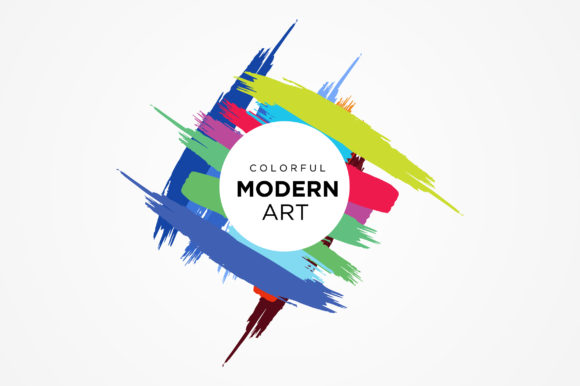
Colorful Modern Art: A Practical Guide to Vibrant Design in Real Life
You have likely scrolled past a dozen posts today featuring colorful modern art, yet few people stop to consider the strategic power behind those vibrant splashes of neon, retro gradients, and liquid forms. It is not merely about making things look pretty; it is about communication. Whether you are a freelancer trying to secure a new client, a small business owner launching a summer campaign, or an educator creating engaging materials for students, visual impact drives action. This style of design blends the nostalgia of the 70s and 80s with contemporary digital techniques, creating a unique aesthetic that feels both familiar and fresh.
The essence of this trend lies in its ability to break through the noise. In a world saturated with minimalist black-and-white interfaces, a liquid graphic or a neon logo commands attention immediately. But beyond the initial hook, there is a functional purpose to these designs. They convey energy, creativity, and a forward-thinking mindset. When used correctly, they transform a standard flyer into a statement piece or turn a simple blog post into a memorable experience.
Why This Style Dominates Creative Industries
To understand why colorful modern art is so prevalent, we must look at how the human brain processes information. The combination of bold colors like royal blue, golden accents, and deep black creates high contrast that signals importance. This is particularly useful in commercial settings where you need to guide a user's eye toward a specific call to action.
- Emotional Connection: Warm tones and bubble shapes often evoke feelings of fun and approachability, while sharp geometric lines paired with ornamental details suggest luxury and precision.
- Nostalgia Marketing: The influence of the 70s and 80s taps into collective memory. A retro vector background can instantly make a brand feel established and trustworthy, even if it is a startup.
- Visual Hierarchy: Using a brush element as a divider or a graphic splash as a headline anchor helps organize complex information on a poster or banner.
This versatility makes it an essential tool for anyone looking to elevate their visual output without needing a degree in fine arts.
For Entrepreneurs and Small Business Owners
If you run a small business, your marketing materials are often your first interaction with a potential customer. A generic template will blend into the background, but a custom design featuring abstract elements and a luxury golden frame can set you apart. Imagine launching a new jewelry line. Instead of a plain white product shot, placing the item against a colorful modern art background with liquid textures suggests movement and exclusivity.
Consider the scenario of a coffee shop owner promoting a new seasonal drink. A flyer designed with hipster aesthetics, using font styles that mimic hand-painted text alongside a splash of color, tells a story of craftsmanship. It invites customers to step inside. The key here is balance. You do not want the background to overpower the message. The art should support the content, acting as a stage for your product rather than stealing the spotlight.
Digital Creators and Content Marketers
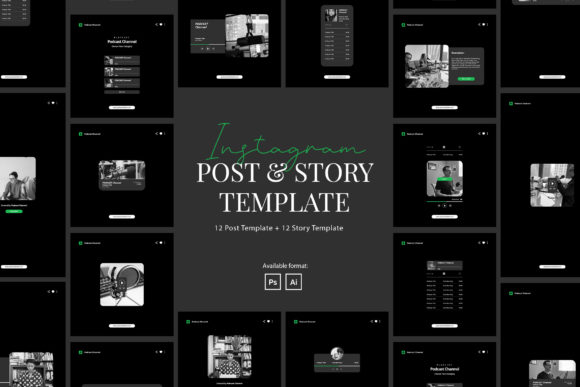
For bloggers, YouTubers, and social media managers, engagement is currency. High-quality thumbnails and cover images are non-negotiable. A cover image for a podcast episode about music history could utilize a club theme with neon lights and black backgrounds to create a moody, immersive atmosphere. Conversely, a motivational post for young entrepreneurs might benefit from a bright, blue and orange composition with box layouts that organize quotes clearly.
When designing a magazine layout or a digital newsletter, incorporating element sets like ornament borders or frame dividers adds a layer of polish that free stock photos cannot match. These assets allow creators to maintain a consistent brand identity across different platforms. If your brand voice is playful, a fun card design with bubble shapes works wonders. If the tone is more serious, a structured template with modern typography and subtle decoration conveys authority.
Educators and Non-Profits
Education is another sector where colorful modern art shines. Static textbooks and boring slides often fail to capture the attention of students aged 20 to 50, who are accustomed to dynamic digital content. Teachers and trainers can use vector graphics to illustrate complex concepts. For instance, a presentation on environmental science could feature a beach scene rendered in abstract waves to discuss climate change, making the data more relatable.
Non-profit organizations fighting for a cause can use powerful imagery to drive donations. A poster campaign for a community event might combine a motivation-driven headline with a vibrant background that reflects hope and unity. The goal is to inspire action, and color is one of the most effective tools for emotional persuasion.
Selecting the Right Assets for Your Project
Before you download a pack of art files or hire a designer, it is crucial to define your goals. Not every set of design elements will fit your needs. Here are practical considerations to keep in mind:
- Readability First: A graphic with too many competing patterns can make text impossible to read. Ensure there is enough negative space or that the lightness of the background allows your headline to pop.
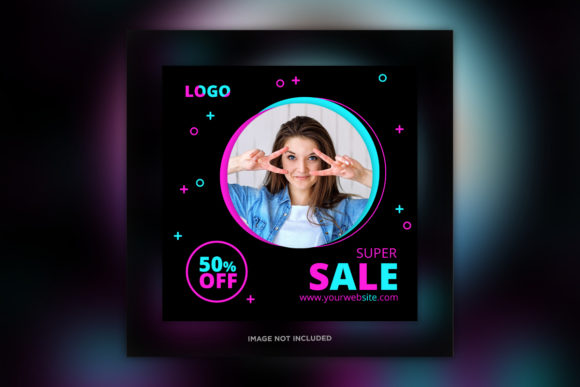
- Context Matters: A neon style might be perfect for a night club event but inappropriate for a corporate financial report. Match the aesthetic to the occasion.
- Scalability: Since much of this work is digital, ensure your vector files remain crisp when resized for a banner ad or a mobile screen.
- Cohesion: Avoid mixing incompatible eras. While eclectic styles exist, combining 70s paisley with 80s cyberpunk can sometimes look chaotic unless executed with extreme care.
The Psychology of Color and Form
Understanding the psychology behind the color choices is vital. Blue often represents trust and calm, making it ideal for technology or healthcare contexts. Gold implies wealth and quality, suitable for luxury goods. Red and orange stimulate appetite and excitement, perfect for food and entertainment industries. The shape of the art also plays a role; liquid forms suggest fluidity and adaptability, while rigid box structures imply stability and order.
When you choose a template or frame, ask yourself what emotion you want the viewer to feel before they even read a word. Does the decoration enhance the message, or does it distract? The best modern design is invisible; it guides the user naturally to the information they need.
Bringing Your Vision to Life
Whether you are creating a paper invitation, a digital poster, or a logo for a new app, the principles remain the same. Start with a clear concept. Sketch out your ideas, focusing on the relationship between the text and the visual elements. Don't be afraid to experiment with brush strokes or splash effects to add texture and depth.
Remember that colorful modern art is a tool, not a crutch. It amplifies your message when used with intention. By understanding the nuances of retro influences, luxury finishes, and abstract compositions, you can create visuals that resonate with your audience on a deeper level. From the music industry to corporate branding, the right artistic direction can transform a mundane project into something extraordinary. So, pick up your tools, explore the endless possibilities of vector graphics, and let your creativity flow.